When hot water becomes inconsistent or disappears during the moments you need it most, having a clear plan matters. At Heating, Cooling & Electric Solutions, we combine licensed trade skill with practical, real-world experience to guide you from first call to final walkthrough. In this guide, we’ll cover how water heater installation works, the factors that shape the right choice for your home, and what to expect from our process so you feel confident at every step.
Water Heater Installation: What “Done Right” Actually Means
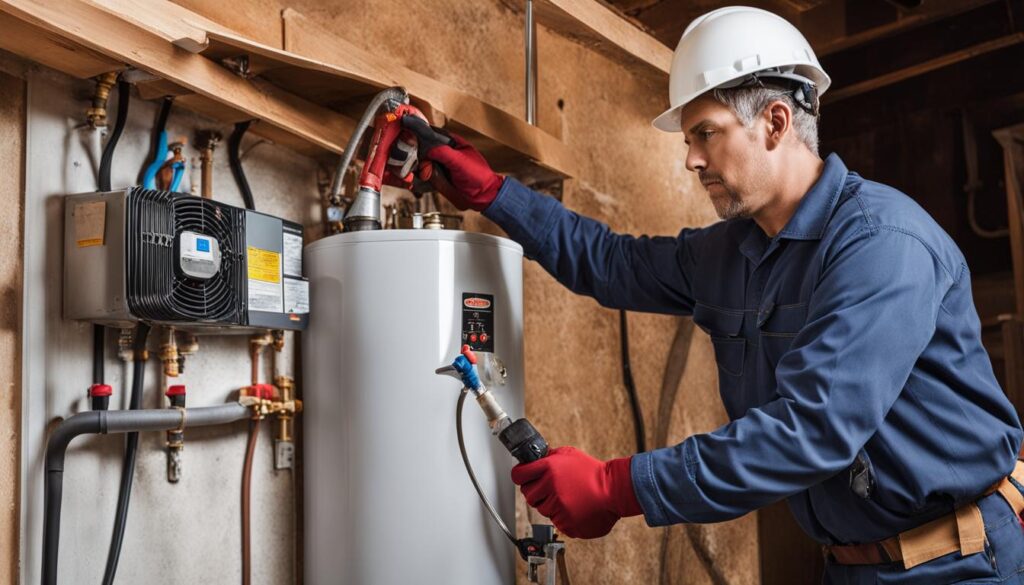
To most homeowners, a new unit is just about getting hot water back. To us, it’s about safety, code compliance, long-term reliability, and total cost of ownership. A properly sized and professionally installed system runs more efficiently, lasts longer, and protects your home against leaks and safety risks. Our team follows manufacturer specifications, current mechanical and electrical codes, and industry best practices on every job with no shortcuts.
Doing the work correctly starts with understanding your household’s real usage: how many people are showering in the morning, whether the dishwasher and laundry often run at the same time, and how cold your incoming groundwater gets during winter. It also includes reviewing the location of the unit, available vent paths (for gas), electrical capacity (for electric and hybrid systems), and the condition of the existing plumbing connections. When all of that is mapped, the result is a setup that meets your needs on day one and remains dependable year after year.
The Four Decisions That Shape the Right System
Choosing a new unit shouldn’t feel like guesswork. We help you make four key decisions based on your home and usage pattern.
1) Tank vs. Tankless
Tank models store a set volume of heated water (commonly 40–50 gallons). They’re straightforward, budget-friendly, and provide steady output for typical households. Tankless models heat water on demand, saving space and supplying continuous flow when sized correctly. The right choice depends on whether you need long, continuous draws (great for tankless) or frequent, simultaneous draws across multiple fixtures (often better for a properly sized tank, depending on first-hour rating and recovery rate).
How we help: We look at peak usage (showers, laundry, dishwasher running together), fixture flow rates, and incoming water temperature to size the system. We also explain venting needs, condensate management (for high-efficiency units), and the maintenance differences between the two designs.
2) Fuel Type
Natural gas/propane delivers fast recovery and strong performance in colder climates but requires proper venting and combustion air management. Electric units avoid flue gas concerns, often fit nicely in tight spaces, and can be a solid choice where gas isn’t available; they do require sufficient electrical panel capacity. Hybrid heat pump models use ambient air to heat water, greatly reducing energy usage when placed in an appropriate space with adequate room air volume and a reasonable temperature range.
How we help: We verify existing lines, vent paths, combustion air, and electrical service. If a panel upgrade or gas line upsizing is needed, we plan and price it upfront so there are no surprises.
3) Capacity and Flow
For storage models, gallon capacity and the first-hour rating dictate how much hot water you can draw before hitting the limit. For on-demand systems, flow rate (GPM) depends on incoming water temperature and the required temperature rise; it determines how many fixtures can run at once without noticeable temperature dips.
How we help: We map your real usage number of occupants, bathrooms, and appliances—then match models to your actual GPM or gallon needs so the unit keeps pace with daily life.
4) Location and Venting
Attics, garages, basements, and utility closets each have different code requirements: drain pans, T&P relief discharge routing, combustion air, and working clearances. Gas systems require correct venting atmospheric, direct vent, or power vent depending on model and site conditions. Electric units need correct circuit protection, dedicated breakers, and proper wire gauge.
How we help: We evaluate structural access, drain routing, seismic straps (where required), and local code specifics before work begins. This due diligence prevents callbacks and protects your home.
Signs It’s Time to Replace (Not Repair)
Repairs make sense when parts are accessible and the tank or heat exchanger is sound. Replacement is safer and more cost-effective when you notice:
- Age beyond typical lifespan: often 10–12 years for standard tank units and longer for on-demand systems with consistent maintenance.
- Rising energy bills with no change in usage.
- Rust-colored water or metallic odor.
- Popping or rumbling noises (a sign of sediment build-up in storage tanks).
- Standing water around the base, corrosion on fittings, or a leaking tank seam.
If your unit is near end-of-life and needs a major component, we’ll walk you through the math. Frequently, those dollars are better invested in a new, more reliable setup.
Our Installation Process: Step by Step
You should know exactly what will happen in your home. Here’s how our team completes a typical project.
1) Upfront Assessment and Straightforward Proposal
A licensed technician inspects your existing unit, venting, gas or electrical capacity, drain path, and clearances. We discuss usage habits and future plans (e.g., finishing a basement bath). You’ll receive a clear proposal that lists equipment, materials, permits, warranties, and the scope of labor with itemized pricing and honest lead times.
2) Permits and Code Requirements
We handle permit applications when required. This protects you during resale and assures that third-party inspectors sign off on safety and compliance. It also ensures the installation meets local amendments that can vary widely from one jurisdiction to the next.
3) Removal and Site Protection
We shut off utilities, drain the tank (for storage models), and protect floors and walls where we work. Old equipment is removed and responsibly disposed of or recycled when possible. We keep the work zone tidy, label shut-off points, and keep you informed during each step.
4) New System Placement and Connections
For gas systems, we verify gas pressure, leak-test fittings, and install venting that matches manufacturer specifications. For electric systems, we confirm breaker sizing, wire gauge, and any GFCI requirements. For all systems, we install dielectric unions to reduce corrosion, expansion tanks where the plumbing system requires it, a correctly routed T&P discharge line, and a drain pan with proper piping when installed above living spaces.
5) Water Quality and Sediment Strategy
We assess hardness and discuss protections like a whole-home sediment filter or a softener if your area has hard water. On-demand units benefit from service valves that make descaling quick and clean. For storage tanks, annual flushing helps maintain performance and may extend service life.
6) Startup, Calibration, and Safety Checks
We set the thermostat/temperature, confirm stable combustion for gas systems, verify CO readings when applicable, check for leaks, and test proper operation at multiple fixtures. For on-demand units, we measure real-world flow with showers and appliances to validate performance at the taps that matter.
7) Customer Walkthrough and Maintenance Plan
We show you shut-off points, relighting procedures (if applicable), where the T&P line discharges, and how to read status lights or digital codes. You’ll receive a simple maintenance schedule tailored to your unit. We register manufacturer warranties on your behalf when needed.
What Affects Project Cost and Timeline
Every home is different, so we price and schedule transparently around these variables:
- Type of system (storage, on-demand, or hybrid heat pump)
- Fuel and venting updates (e.g., upgrading to direct vent)
- Electrical work (dedicated circuit, service upgrades, or panel capacity changes)
- Gas line sizing or rerouting
- Location and access (attic vs. garage, tight closets, long vent runs)
- Water quality solutions (filters, softeners)
- Permit fees and local inspection schedules
We provide a line-item scope so you can see exactly where your investment goes and how it contributes to safety and reliability.
Maintenance That Extends Lifespan
Routine care is the easiest way to protect your investment:
- Annual tank flush for storage models to reduce sediment buildup and keep recovery rates steadier.
- Anode rod checks every 2–3 years; this low-cost part significantly impacts tank longevity.
- Descaling for on-demand systems; frequency depends on water hardness, and service valves make the task faster and cleaner.
- Temperature setting around 120°F (or as suitable for your home’s needs) to balance comfort and scald safety.
- Periodic leak checks on valves and fittings to catch small issues before they become big ones.
We offer service reminders and simple care plans so maintenance never falls through the cracks.
Gas Safety and Venting—Non-Negotiables
For gas systems, correct venting and combustion air are critical. Our technicians perform:
- Combustion analysis where applicable, checking for proper draft and stable CO levels.
- Vent material verification (PVC, CPVC, or stainless, as specified) matched to flue gas temperatures.
- Clearance checks to combustibles and correct slope for condensate-producing models.
- Seismic strapping and restraint where required by local code.
These steps keep your home safe and your system in good standing with inspectors and insurance providers.
Electric and Hybrid Heat Pump Considerations
Electric storage units are straightforward but must be wired correctly and protected with the right breaker. Hybrid heat pump models require sufficient room volume and access to ambient air; they move heat from the surrounding space into the tank, so placement planning matters. We confirm condensate routing to a drain and ensure noise and airflow are acceptable for your room.
If your utility offers incentives for high-efficiency equipment, these models can be especially attractive. We’ll help you compare up-front costs with projected energy savings over the life of the equipment so the decision is clear.
How We Build Trust: E-E-A-T in Practice
- Expertise
Our field team installs and services a full range of brands and configurations daily. That repetition builds hands-on knowledge you notice in the details tight joints, clean routing, and tidy work areas.
- Experience
We’ve worked in attics, closets, basements, crawlspaces, and tight utility rooms. We know what fails early, which accessories truly help, and the small upgrades that deliver noticeable comfort.
- Authoritativeness
We follow current code, manufacturer literature, and industry standards. We participate in ongoing training and stay current on product updates, vent materials, and safety advisories, so your system benefits from the latest guidance.
- Trustworthiness
Clear proposals, documented inspections, photos of key steps, and warranty registration these are our habits, not extras. If we find something unexpected, we show you and present options before we proceed.
Frequently Asked Questions
- How long does a typical replacement take?
Most same-type replacements finish the same day. Conversions such as moving from a storage tank to an on-demand design, adding dedicated circuits, or changing vent types can extend the timeline. We schedule with realistic windows and communicate throughout.
- Do I need an expansion tank?
If your plumbing has a pressure-reducing valve or backflow prevention (creating a closed system), yes thermal expansion needs a place to go. We size and install the tank correctly to protect fixtures and the main unit.
- What temperature should I set?
120°F is common for comfort and safety. Some households choose higher settings and use mixing valves for added protection at fixtures. We’ll discuss what fits your home’s needs.
- Will an on-demand unit work with cold incoming water in winter?
It can, if sized for the temperature rise and flow you expect. We calculate this in advance so performance meets your expectations year-round.
- Can you install the brand I already purchased?
In many cases, yes. We’ll inspect the equipment and your site for compatibility, then provide a labor-only scope that maintains code compliance and best practice standards.
- Do you handle permits and inspections?
Yes. We’ll obtain required permits, coordinate inspections, and ensure your installation meets local and state requirements.
- What about warranties and support after the job?
We register manufacturer warranties when needed and offer maintenance reminders, service visits, and responsive support if questions arise.
Why Homeowners Choose Heating, Cooling & Electric Solutions
- Licensed, local, and accountable. We live and work in the same communities we serve.
- Clear communication. Proposals in plain language, photos of progress, and zero surprise charges.
- Craftsmanship you can see. Clean joints, level runs, proper supports, and a spotless work area when we finish.
- Support after install. Warranty guidance, maintenance reminders, and fast help if you ever have a concern.
Ready When You Are
If your current unit is struggling or you’re planning ahead for a remodel our team is here to help you compare options, price the project clearly, and schedule on your timeline.
Visit heatingcoolingelectric.com to get started, or give us a call. We’ll ask a few simple questions about your home and hot-water routines, then recommend a right-sized solution.
Choose Confidence With Professional Water Heater Installation
Hot water should be simple, steady, and safe. With Heating, Cooling & Electric Solutions, you get careful sizing, code-compliant workmanship, and a service team that stands behind the job today and years from now. When you’re ready to move forward with water heater installation, we’ll make the process clear, the craftsmanship careful, and the results dependable.