At Heating, Cooling, and Electric Solutions, we understand how essential a properly functioning heating system is for comfort, safety, and efficiency in both homes and businesses. From chilly winter mornings to cool evenings, dependable heating makes a noticeable difference in daily life. In this guide, we will walk you through the key aspects of heating systems, common concerns, and how our team ensures your home or workplace stays warm and comfortable, all while providing trustworthy advice based on our years of experience.
Understanding Your Heating System
When we talk about heating, we’re referring to a system designed to maintain indoor temperatures at a comfortable level. The two main types of heating systems most people encounter are forced-air systems and hydronic systems. Forced-air systems use a furnace to heat air and distribute it through ducts and vents, while hydronic systems use water or steam to heat radiators or floor systems.
Each system has unique features, maintenance needs, and efficiency considerations. By understanding how your system works, you can make informed decisions that prolong its life, improve safety, and maintain energy efficiency.
The Importance of Regular Heating Maintenance
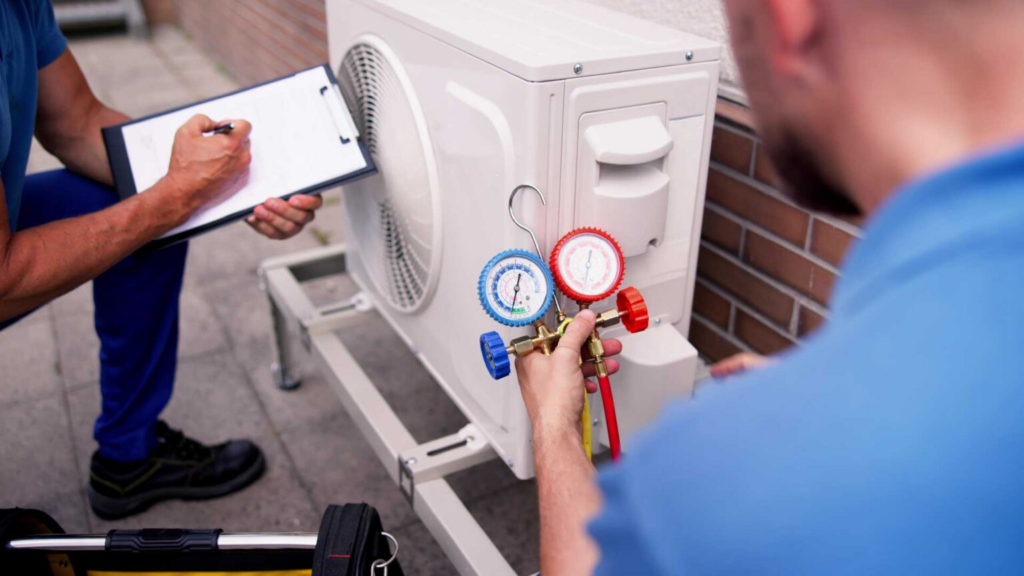
A heating system may seem simple when it’s working, but it relies on many interconnected components: burners, heat exchangers, thermostats, and ductwork, to name a few. Regular maintenance is critical to prevent unexpected breakdowns, reduce energy costs, and ensure safe operation.
At our company, we recommend scheduling annual inspections for every heating system we service. During a typical maintenance visit, we:
- Inspect and clean burners and heat exchangers
- Check for leaks in gas or water lines
- Test and calibrate thermostats for accuracy
- Examine ductwork for blockages or air leaks
- Replace or clean filters to maintain airflow
Neglecting these steps can lead to decreased performance, higher utility bills, and potential safety hazards such as carbon monoxide leaks. With our expertise, we aim to minimize these risks for every client.
Choosing the Right Heating System
Selecting a heating system is a decision that depends on multiple factors, including the size of your home or business, your climate, your budget, and your energy preferences. We help our clients navigate these decisions with clear, practical advice.
Some common heating options include:
- Gas Furnaces: Efficient and powerful, gas furnaces are ideal for larger homes and commercial spaces.
- Electric Heaters: Easier to install, electric heaters are suitable for smaller areas or supplemental heating.
- Heat Pumps: Heat pumps provide both heating and cooling, offering an energy-conscious solution for moderate climates.
- Boilers: Using hot water or steam, boilers provide consistent, quiet heating, often preferred in older homes or buildings with radiator systems.
When we assist customers in choosing a heating system, we consider energy efficiency ratings, installation requirements, and long-term operational costs. Our goal is to guide you toward a system that meets your needs without unnecessary complexity or expense.
Signs Your Heating System Needs Attention
Even with regular maintenance, heating systems can develop issues over time. Recognizing early warning signs helps prevent breakdowns and keeps your system operating safely. Look out for:
- Uneven heating or cold spots in different rooms
- Unusual noises such as banging, rattling, or squealing
- Frequent cycling on and off
- Increased energy bills without changes in usage
- Visible rust, corrosion, or leaks around the system
If any of these issues arise, we encourage contacting our team promptly. Acting early often prevents small problems from turning into costly repairs.
Safety Considerations for Heating
Safety is a core part of our approach to heating systems. Furnaces and boilers operate at high temperatures and often rely on gas or electricity, making proper installation and maintenance essential. Our technicians are trained to identify and mitigate potential hazards, including:
- Carbon Monoxide Risks: We test and ensure proper ventilation to prevent dangerous gas buildup.
- Electrical Hazards: Electrical components are inspected and repaired according to safety standards.
- Fire Risks: We check for combustible materials near heat sources and ensure burners and heat exchangers function correctly.
We take a hands-on approach to safety, inspecting every system component to provide peace of mind alongside warmth.
Energy Efficiency and Environmental Considerations
Heating systems account for a significant portion of energy consumption in most homes and businesses. Choosing an energy-efficient system and maintaining it properly benefits your budget and the environment.
Some strategies we recommend include:
- Installing programmable thermostats to match heating to your daily schedule
- Ensuring proper insulation and sealing air leaks
- Regularly cleaning and replacing filters to maintain airflow
- Considering high-efficiency furnaces or boilers when upgrading
By combining modern technology with attentive maintenance, we help clients reduce energy consumption without sacrificing comfort.
Common Heating System Upgrades
As homes and businesses age, older heating systems may become less efficient or reliable. Upgrading can be a practical investment, particularly when paired with energy-conscious practices. Common upgrades we recommend include:
- High-Efficiency Furnaces: Modern models use less fuel and provide consistent warmth.
- Zoned Heating Systems: Zoning allows different areas to maintain specific temperatures, improving comfort and efficiency.
- Smart Thermostats: While simple in function, smart thermostats allow precise control and scheduling for energy savings.
When evaluating upgrades, we provide transparent guidance on potential costs, energy savings, and system longevity to help our clients make informed choices.
Our Approach to Heating Service
At Heating, Cooling, and Electric Solutions, we base our services on our core values: expertise, experience, authoritativeness, and trustworthiness. Every team member is trained to deliver reliable service, whether it’s a routine maintenance visit or a full system installation.
Our process includes:
- Assessment: We start by thoroughly examining your current heating system, understanding its strengths, weaknesses, and performance.
- Consultation: We discuss options, costs, and timelines in clear, understandable terms.
- Service Execution: Whether repairing, maintaining, or installing, we handle every step carefully, following industry standards and safety protocols.
- Follow-Up: After service, we check in to ensure satisfaction and address any questions or concerns.
This structured approach ensures every client receives service tailored to their needs and backed by years of hands-on experience.
Heating Maintenance Tips for Homeowners
While professional service is essential, there are steps you can take to help your system run smoothly between visits:
- Check and Replace Filters Regularly: Depending on your system, filters should be changed every 1–3 months.
- Keep Vents Clear: Ensure furniture or household items don’t block airflow.
- Monitor Thermostat Settings: Avoid drastic temperature swings, which can strain your system.
- Inspect Ductwork: Look for visible signs of wear or leaks and schedule repairs as needed.
Even small actions like these can extend your system’s lifespan and improve overall comfort.
Common Myths About Heating Systems
There are several misconceptions about heating systems that can lead to confusion or unnecessary spending. We address a few common ones:
- Myth 1: Setting the thermostat higher heats the home faster. Truth: The system heats at a consistent rate; higher settings only maintain a warmer temperature, not speed heating.
- Myth 2: Closing vents in unused rooms saves energy. Truth: This can increase pressure and strain the system, potentially causing damage.
- Myth 3: Maintenance is optional. Truth: Regular inspections and tune-ups prevent major repairs and improve efficiency.
We aim to educate our clients so they can make decisions grounded in fact rather than misconception.
Preparing for Winter: Heating Readiness Checklist
To ensure your heating system performs well during the colder months, we recommend the following:
- Schedule a professional inspection before the heating season begins.
- Replace filters and clean vents.
- Check carbon monoxide detectors for proper function.
- Inspect your home’s insulation and seal any leaks around doors or windows.
- Keep an emergency plan and contacts ready in case of system failure.
Being proactive allows us to address potential issues before they become emergencies, keeping homes and businesses safe and comfortable.
Why We Stand Out
There are many companies offering heating services, but our commitment to knowledge, transparency, and careful work sets us apart. We combine technical expertise with practical experience, ensuring that every recommendation is backed by facts and every service performed meets strict quality standards. Our clients appreciate the clarity we provide, the attention to detail in every task, and the reassurance of working with a team they can trust.
Reliable Heating Starts with Experience
Proper heating is more than just a convenience; it’s a key component of comfort, safety, and efficiency. At Heating, Cooling, and Electric Solutions, we approach every heating system with care, knowledge, and commitment, helping our clients navigate maintenance, repairs, and upgrades with confidence. From routine inspections to new system installations, our goal is to provide reliable, trustworthy service that keeps your home or business warm throughout the year.
If you’re ready to ensure your heating system is performing at its best, contact us today. Schedule a professional inspection, consultation, or maintenance service and experience the difference that expertise and experience can make.
Visit us at https://heatingcoolingelectric.com or call us directly to speak with our team. Your comfort and safety are our priority, and we’re here to help every step of the way.